First tattoos attract first-tattoo stories, and half of them are wrong. Friends will tell you the consultation takes five minutes, the stencil can always be moved ten times, and you should eat a huge meal and then sit perfectly still for four hours. A first appointment at Uptown Arts Studio in Charlotte is calmer and more structured than the stories suggest.
The piece below sorts the common claims into myth and fact, following the appointment in order: consultation, design and stencil, the session itself, and the deposit that holds your spot.
Before the needle: consultation and deposit claims
| Claim | Verdict | What is actually true |
|---|---|---|
| You can just walk in with any idea and leave tattooed | It depends | Small simple pieces sometimes fit walk-in time. Custom work usually needs a consultation, drawing time, and a booked appointment. |
| A deposit is just an extra fee | False | A deposit typically reserves the artist's time and is applied to the final session. Forfeiting it on a late cancellation is standard because that time cannot be refilled easily. |
| The artist will copy an image exactly, pixel for pixel | Mostly false | Reference images guide the design, but artists redraw work to fit your body, hold up over time, and avoid copying another artist's finished tattoo. |
| You should decide placement when you arrive | False | Placement affects size, detail, and aging. Discuss it at the consultation so the drawing is made for that spot. |
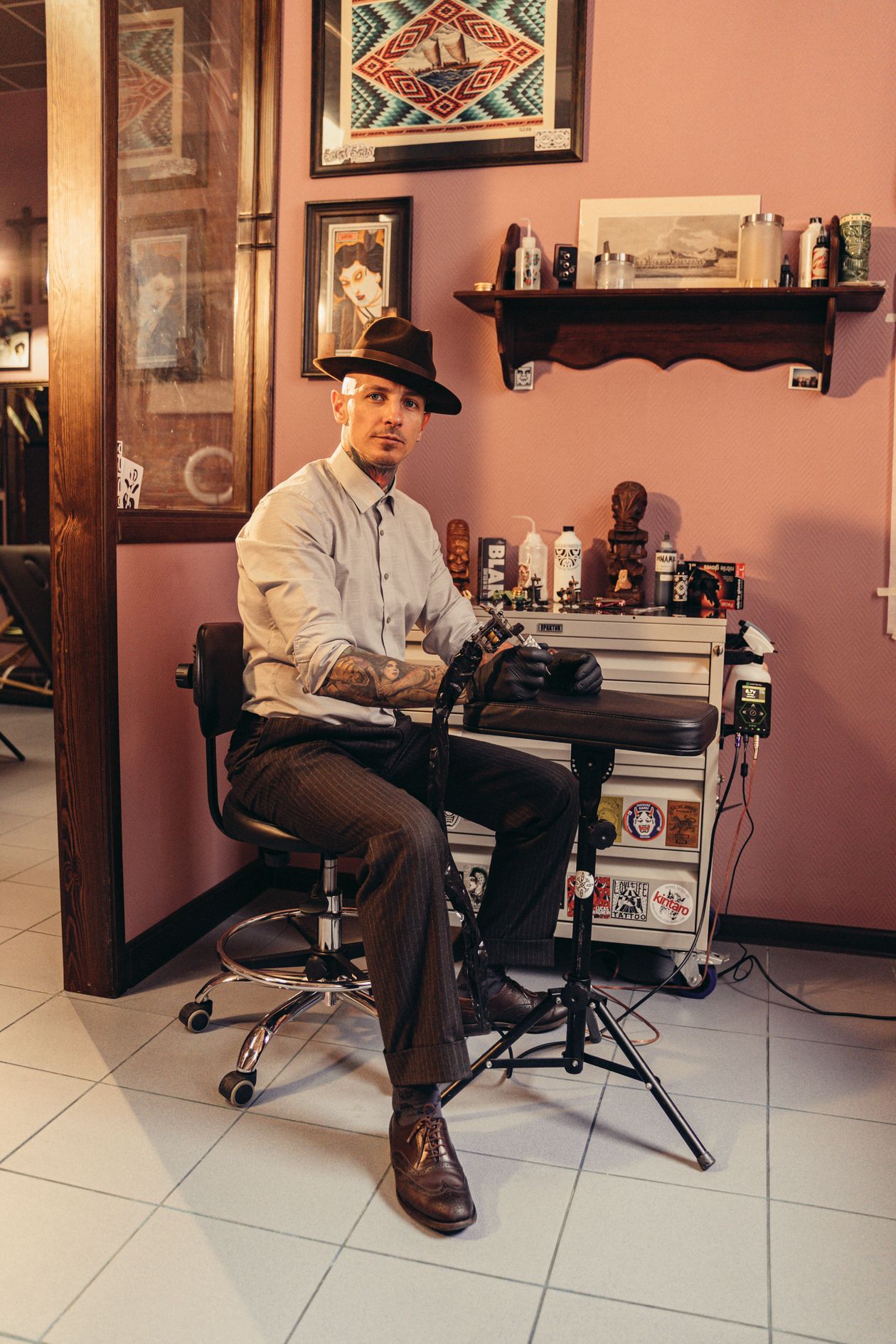
Stencil and session claims
Myth: the stencil is the tattoo. The stencil is a guide placed on cleaned skin so you and the artist can check size, placement, and orientation in a mirror. This is your moment to speak up. Ask for it a little higher, a little smaller, or mirrored if it does not sit right. Once the outline starts, changes get much harder.
Fact: breaks are normal. Longer sessions include short breaks to stretch, drink water, and let the artist reset. Tell the artist if you feel lightheaded, too hot, or need a pause. Sitting through dizziness helps no one, and artists would far rather pause for five minutes than deal with a faint.
Myth: you must sit completely still the whole time. You do need to keep the tattooed area still while the machine is running, and sudden moves matter. Normal breathing and small shifts when the artist lifts the machine are fine. If you need to cough, stretch, or check your phone, say so and wait for a pause.
Preparation claims worth sorting
Fact: sleep, food, and hydration help. Eat a normal meal beforehand, drink water, and arrive rested. Low blood sugar is a common reason first-timers feel faint, and it is avoidable.
Myth: alcohol the night before, or before the appointment, takes the edge off. Alcohol thins the blood, can increase bleeding during the session, and affects healing. Shops will not tattoo an intoxicated client, and arriving hungover makes pain feel worse, not better.
It depends: numbing products. Some artists allow certain products applied in advance and others do not, because skin texture can change. Ask at the consultation rather than arriving with something already on your skin.
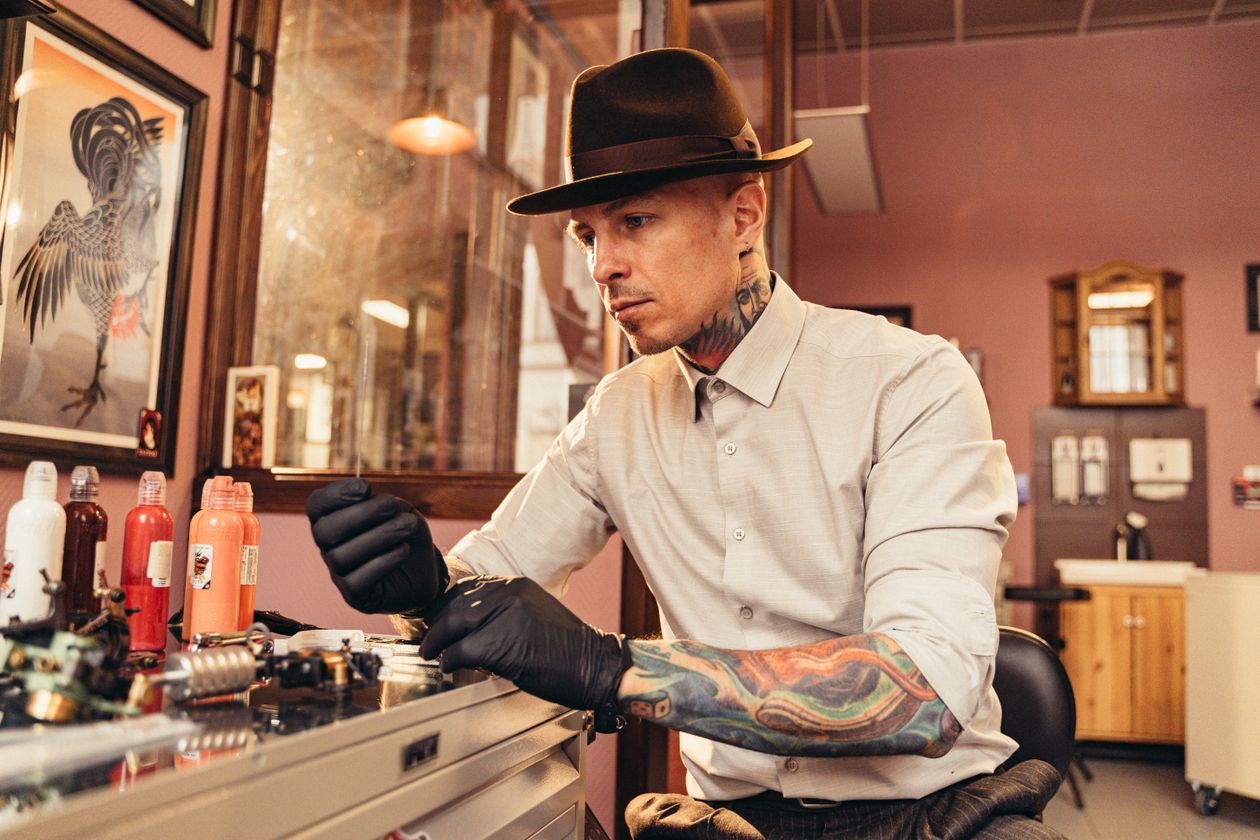
After the session
The appointment ends with aftercare instructions and, usually, a protective covering and guidance on when to remove it, how to wash the piece, and what to avoid while it heals. Listen for specifics: how often to wash, what kind of moisturizer, how much to use, and when swimming and sun can resume. Take a photo of the written sheet if one is offered. In the first week, most first-timer panic comes from normal flaking and itching that the sheet already explains.
Expect the whole first experience to feel more ordinary than dramatic. A clear consultation, a stencil you approved, a session with breaks, and a healing plan you understand. That ordinariness is the point.
Bring questions with you, even basic ones about showering, gym time, work clothing over the placement, or how the piece will look as it flakes. Artists hear those questions every week, and answering them at the appointment is far easier than guessing at home three days later when the itching starts and the written sheet is in another room.
Common questions
How long does a first tattoo appointment take?
It depends on size and detail. A small piece may take under an hour of tattooing, while larger custom work can take several hours or multiple sessions, plus consultation and stencil time.
What should I bring to the appointment?
Bring photo identification, your reference images, water, and a snack for longer sessions. Wear clothing that gives easy access to the placement and that you do not mind getting ink near.
Can I change my mind about the design on the day?
Small adjustments are usually fine at the stencil stage. A major redesign may need a new drawing and a rescheduled appointment, which is why the consultation matters.
Photos in this guide are representative stock images.
← All guides from Uptown Arts Studio← Back to Uptown Arts Studio