A fresh tattoo rarely heals into a perfect copy of the stencil. One line looks lighter than its neighbor, a patch of color heals pale, or a small spot drops out entirely. At Uptown Arts Studio in Charlotte, that outcome has a plain name: it needs a touch-up. Touch-ups are a normal part of tattooing, not evidence that something went wrong.
Knowing what is normal, what is not, and when to act saves a lot of worry. Work through the symptom first, then the likely cause, then the fix.
Symptom: a line or patch healed light
Start by waiting until the piece is fully healed. During the first two to three weeks, a tattoo goes through flaking, dullness, and a milky stage where the new skin clouds the ink underneath. Judging color or line weight in that window is misleading. Once the surface is smooth, shiny skin has settled, and there is no tenderness, you can see what actually stayed.
Likely causes include skin that pushed some ink out during healing, a scab that lifted early, sun exposure during healing, or an area over a joint or scar that simply holds ink unevenly. Hands, feet, elbows, and knees are classic spots for light healing, even with careful aftercare.
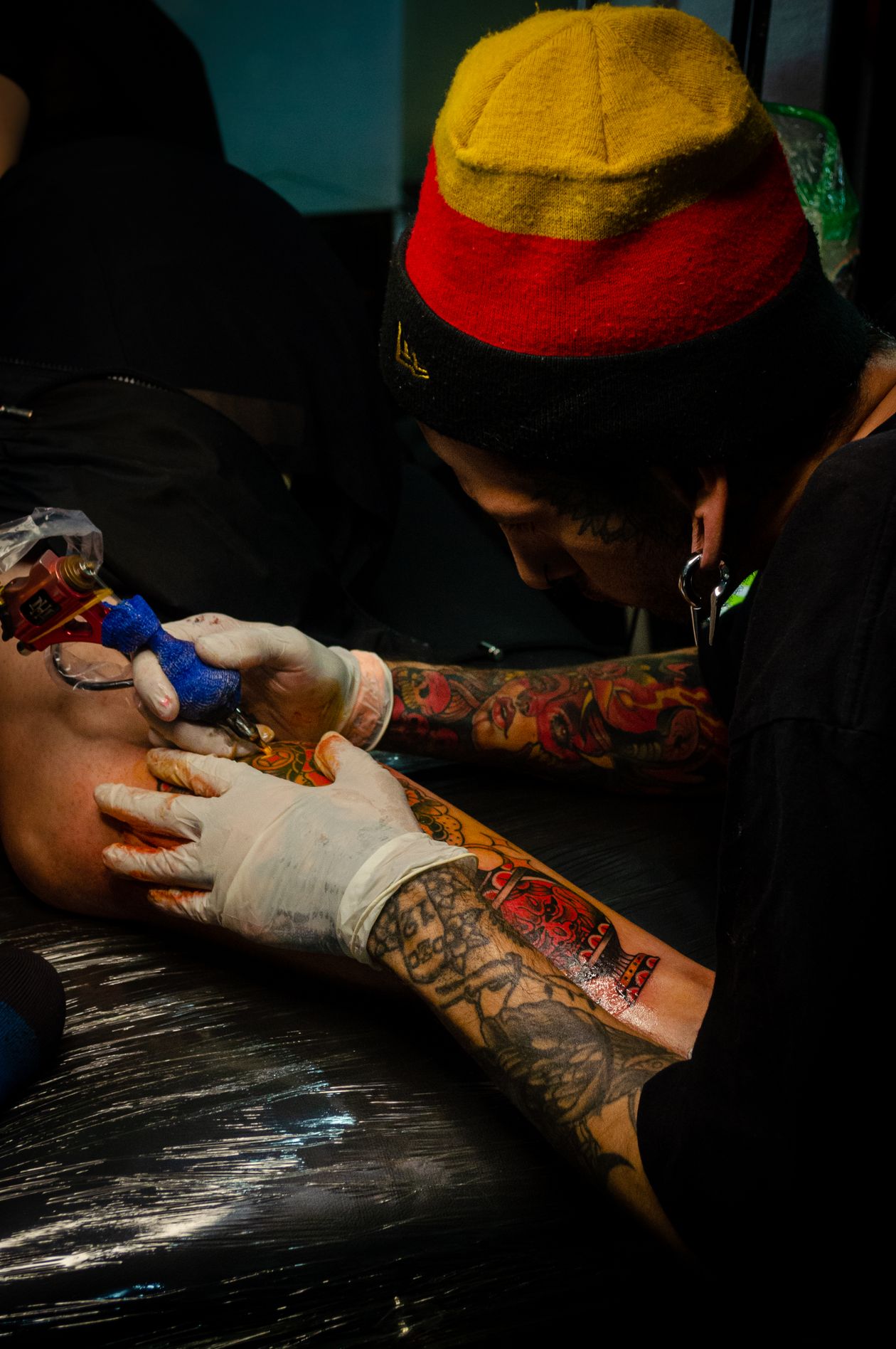
Symptom: a small spot is missing or blurry
A single dropped spot often traces back to a scab that got picked, rubbed by clothing, or soaked too long in a bath or pool. A blurry edge is different. Slight softening of lines over years is normal aging, but a line that heals blurry within weeks may have been placed a touch deep or may sit in skin that moves a lot. Either way, note it, photograph it in plain daylight, and bring it to your artist rather than trying to judge it under bathroom lighting.
The fix, step by step
- Wait for full healing. Most artists want to see a settled piece, commonly at least four to six weeks after the session, before judging what needs work.
- Take a clear photo in natural light without filters. It helps the artist see the exact lines or patches you mean.
- Contact the shop and describe the spot plainly. Mention placement, when you were tattooed, and how healing went.
- Book the touch-up as its own short appointment. The artist reopens only the light or missing areas, which is quicker than the original session.
- Follow aftercare again for the touched areas. A touch-up is fresh work in that spot, so it flakes and heals on the same schedule.
- Protect the result. Once healed, use sunscreen on exposed work and moisturize as directed, especially through a Charlotte summer.
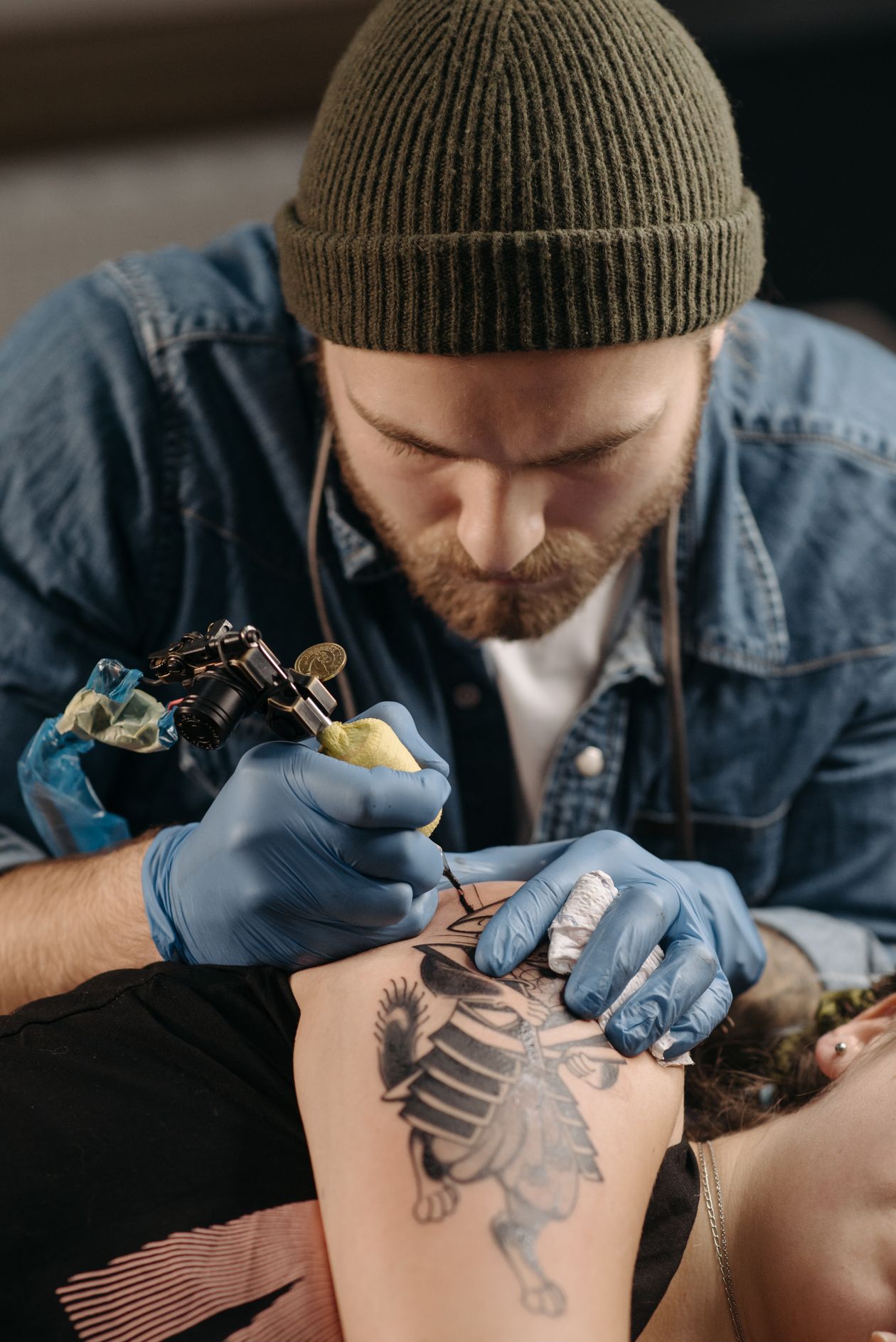
When a symptom is not a touch-up case
Some signs call for prompt attention rather than patience. Spreading redness, increasing pain after the first few days, warmth, swelling that grows, yellow discharge, or fever can point to infection and should be checked by a medical professional promptly. Tattoo aftercare advice is not a substitute for medical care. Likewise, an allergic reaction, with persistent itching, raised areas in one color, or blistering, needs a conversation with both a clinician and your artist before any more ink goes in.
Blowouts, where ink spreads into a bruise-like halo, are also a separate conversation. Some settle slightly, some can be worked around with design changes, and some are best left alone. Your artist can explain the options for your specific piece once it has healed.
How to need fewer touch-ups
You cannot control skin type, but you can control the healing environment. Keep the piece clean, moisturize lightly rather than heavily, do not pick or scratch flakes, keep it out of pools and baths until cleared, and keep sun off it while it heals. Sleep and general health matter more than people expect. Skin that is rested and hydrated tends to heal more evenly.
Finally, choose placement and design with healing in mind. Very fine lines in high-friction areas will almost always need attention later. If your artist flags that at the consultation, that warning is experience talking.
Common questions
How long should I wait before asking for a touch-up?
Wait until the tattoo is fully healed, commonly four to six weeks or longer. Contact the shop after that window if a line or patch still looks light in natural light.
Is a touch-up a sign the artist made a mistake?
Usually not. Skin, placement, movement, and healing all affect how ink settles, and small drop-outs happen even in carefully done work. That is why touch-ups are a standard part of the process.
Can a touch-up fix a tattoo I simply do not like?
A touch-up corrects light or missing spots within the existing design. Changing the design itself is a rework or cover-up conversation, which involves different options and planning.
Photos in this guide are representative stock images.
← All guides from Uptown Arts Studio← Back to Uptown Arts Studio